
- danielfox
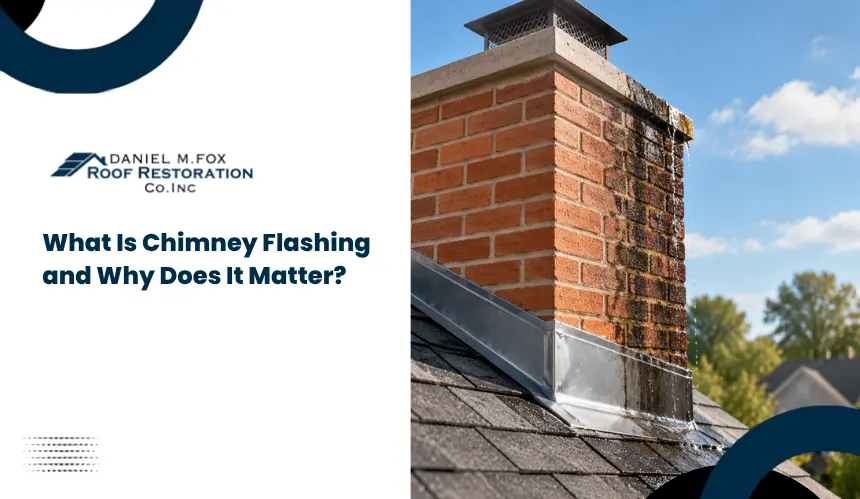
What Is Chimney Flashing and Why Does It Matter?
Key Takeaways:
|
Water often enters a roofing system at the joints where different materials meet, and the area around a chimney is one of the most vulnerable. Chimney flashing creates a weather-resistant seal between the chimney and roof, helping divert rainwater away from the structure and reducing the risk of leaks, wood rot, insulation damage, and interior moisture problems.
When flashing deteriorates or is installed incorrectly, even a well-maintained roof can develop costly water intrusion issues. This guide explains what chimney flashing is, why it matters, how it works, the signs of failure to watch for, and when repair or replacement is the right solution.
What is Chimney Flashing?
Chimney flashing is a system of metal components installed where the chimney intersects with the roof. Its primary function is to create a watertight transition between two surfaces that naturally expand, contract, and move independently. Instead of relying on sealants alone, flashing redirects rainwater and melting snow away from vulnerable roof joints, preventing moisture from entering the roofing assembly.
Where is Chimney Flashing Installed?
Chimney flashing is installed around the entire perimeter of the chimney where it penetrates the roof. This junction is one of the most exposed areas of a roofing system because water naturally flows down roof slopes and collects around roof penetrations.
A properly installed flashing system channels water around the chimney rather than allowing it to seep beneath shingles or roofing materials. It also accommodates normal structural movement caused by temperature changes, helping maintain a weather-resistant seal without restricting expansion or contraction.
The flashing is integrated with the roofing material during installation, creating overlapping layers that work together to direct water safely toward the roof’s drainage path instead of allowing it to reach the roof deck.
What are the Main Components of a Chimney Flashing System?
A complete chimney flashing system consists of several interlocking pieces, each designed to protect a specific part of the roof-to-chimney connection.
- Step flashing: Individual metal pieces woven between each course of shingles along the sides of the chimney to guide water down the roof.
- Counter flashing: Metal embedded into the chimney masonry that overlaps the step flashing, preventing water from entering behind the side flashing.
- Base or apron flashing: Installed along the front of the chimney to direct water flowing down the roof away from the joint.
- Back pan or cricket flashing: Positioned behind the chimney to divert water around the uphill side. On wider chimneys, a roof cricket is often incorporated to prevent water and debris from collecting behind the structure.
When these components are correctly installed and integrated with the roofing system, they form multiple overlapping water barriers rather than relying on a single line of defense. This layered design is what makes chimney flashing effective at managing water over years of seasonal weather exposure.
Why Does Chimney Flashing Matter?
A chimney flashing system does more than cover the gap around a chimney. It actively manages water movement at one of the roof’s highest-risk transition points. When flashing performs as intended, it protects multiple parts of the building envelope from moisture exposure that can lead to structural damage and expensive repairs.
Prevents Water Intrusion Around The Chimney
Rainwater naturally follows the roof slope until it reaches an obstacle such as a chimney. Without properly functioning flashing, water can enter the narrow joint between the chimney and roofing material instead of flowing safely around it.
Once moisture passes beneath the roof covering, it can reach the roof deck, underlayment, and framing before becoming visible inside the home. Because this process often develops gradually, water damage may continue unnoticed until leaks, mold growth, or wood deterioration become apparent.
In areas like Brighton, MA, where roofs are exposed to frequent rainfall, snow, and freeze-thaw cycles throughout the year, dependable chimney flashing plays an essential role in maintaining a watertight roofing system.
Protects The Roof Structure And Interior
Moisture entering around a chimney rarely remains confined to a single location. Water can migrate through roofing materials and affect structural components well beyond the original entry point.
Over time, uncontrolled water intrusion may contribute to:
- Roof deck deterioration
- Rotting roof framing and sheathing
- Damaged insulation with reduced thermal performance
- Interior ceiling stains and drywall damage
- Mold and mildew growth in concealed spaces
Addressing flashing issues early often prevents these secondary problems from developing, reducing both repair complexity and long-term restoration costs.
Extends The Lifespan Of The Roofing System
A roof performs best when every component works together to manage water effectively. Chimney flashing supports that system by protecting one of its most vulnerable intersections, reducing repeated moisture exposure that accelerates material deterioration.
When flashing remains properly secured and integrated with shingles, underlayment, and the chimney itself, surrounding roofing materials experience less water-related stress. This helps preserve the condition of nearby shingles, minimizes premature roof repairs, and allows the roofing system to achieve its expected service life.
Regular roof inspections are especially valuable for homeowners in Brighton, MA, as seasonal weather conditions can gradually affect flashing performance long before visible leaks appear inside the home.
What Causes Chimney Flashing To Fail?
Chimney flashing is designed to withstand years of weather exposure, but it is not permanent. As roofing materials and masonry age, movement, corrosion, and installation defects can compromise the watertight seal. Understanding why flashing fails helps homeowners recognize potential issues before they develop into roof leaks or structural damage.
Age, Weather, And Thermal Expansion
Every roofing system expands in warm temperatures and contracts when temperatures drop. Because the chimney and roof move at different rates, the flashing between them is subjected to continual stress.
Over time, repeated thermal expansion and contraction can loosen fasteners, create small separations, or fatigue the metal. Seasonal weather also accelerates wear through prolonged exposure to rain, snow, ice, wind, and ultraviolet radiation.
In regions such as Brighton, MA, freeze-thaw cycles place additional stress on both flashing and surrounding masonry, increasing the likelihood of deterioration over the years.
Poor Installation Or Improper Repairs
Many chimney flashing problems originate during installation rather than from the material itself. Flashing that is incorrectly integrated with shingles or improperly secured to the chimney cannot manage water as intended.
Common installation-related issues include:
- Incorrect overlap between flashing sections
- Counter flashing that is not embedded into the masonry
- Excessive reliance on roofing cement or caulk instead of mechanical flashing
- Improper shingle integration that allows water to bypass the flashing system
- Incorrect flashing dimensions for the roof slope or chimney design
Temporary patch repairs may stop a leak briefly, but they rarely address the underlying installation defect.
Rust, Corrosion, And Material Deterioration
Most chimney flashing is manufactured from galvanized steel, aluminum, copper, or other corrosion-resistant metals. Although these materials are durable, years of moisture exposure can eventually weaken protective coatings or cause metal to deteriorate.
Corroded flashing may develop pinholes, cracks, or weakened joints that allow water to penetrate the roofing system. Physical damage from falling branches, debris, or severe storms can also bend or separate flashing sections, reducing their ability to direct water away from the chimney.
Roof Replacement Without Replacing Flashing
One of the most overlooked causes of future leaks is reusing aging chimney flashing during a roof replacement. While the shingles may be new, worn flashing can remain a vulnerable point within an otherwise updated roofing system.
If existing flashing shows signs of corrosion, distortion, loose sections, or previous repairs, replacement is often the more reliable option. Installing new flashing alongside a new roof helps ensure all roofing components perform together and reduces the risk of premature water intrusion around the chimney.
How Can You Tell If Chimney Flashing Needs Repair Or Replacement?
Chimney flashing often shows signs of deterioration before a significant roof leak develops. Identifying these warning signs early allows repairs to be made before water reaches structural components or interior living spaces. While some symptoms are visible from the ground, others become apparent during a professional roof inspection.
Common Signs Of Flashing Damage
Flashing problems typically begin with small gaps, loose sections, or deteriorated materials that gradually allow water to bypass the roofing system. Homeowners should look for signs that indicate the flashing is no longer performing as intended.
Common indicators include:
- Water stains on ceilings or walls near the chimney
- Damp insulation or moisture in the attic
- Rusted, bent, or cracked metal flashing
- Visible gaps between the chimney and flashing
- Loose counter flashing or missing fasteners
- Dried, cracked, or failing sealant around previous repairs
- Shingles lifting or deteriorating near the chimney
These symptoms do not always confirm that flashing is the only source of a leak, but they often point to an area that requires prompt evaluation.
Repair Vs. Replacement: Which Is The Right Solution?
The appropriate solution depends on the condition of the flashing and the extent of the damage. Localized issues, such as a loose flashing section or minor seal failure, can often be corrected if the surrounding metal remains structurally sound.
Replacement is generally the better option when the flashing has extensive corrosion, multiple failed joints, physical damage, or was improperly installed from the beginning. It is also commonly recommended during a roof replacement to ensure every component of the roofing system performs together.
For homeowners seeking chimney repair services in Brighton, MA, a professional inspection can determine whether the existing flashing can be repaired safely or whether replacement offers a more durable, long-term solution. Making that assessment early can prevent recurring leaks and reduce the likelihood of more extensive roof or interior repairs later.
How Can Homeowners Keep Chimneys Flashing In Good Condition?
Chimney flashing performs best when it is inspected regularly and minor issues are corrected before they allow water to enter the roofing system. Ongoing maintenance helps preserve the flashing itself while reducing unnecessary wear on surrounding roofing materials and the chimney connection.
Routine Roof And Chimney Inspections
Periodic inspections make it easier to identify developing problems before they become costly repairs. Flashing should be evaluated alongside the roof covering, chimney masonry, and nearby shingles because these components work together to keep water out.
A professional inspection typically checks for loose flashing sections, corrosion, deteriorated sealant where appropriate, damaged mortar joints affecting counter flashing, and signs that water has begun bypassing the flashing system. Inspections are particularly valuable after severe storms or at the end of winter when weather-related movement may have affected the roof.
Preventive Maintenance That Extends Flashing Life
While chimney flashing is designed for long-term performance, regular maintenance can help maximize its service life.
Recommended preventive practices include:
- Remove leaves and debris that collect behind the chimney and restrict water drainage.
- Replace damaged shingles near the chimney before they expose the flashing system.
- Address deteriorating chimney mortar that may affect the stability of counter flashing.
- Repair minor flashing defects promptly instead of waiting for an interior leak to develop.
- Have flashing evaluated whenever major roof work is performed.
These measures help maintain proper water management and reduce the likelihood of progressive moisture damage.
When To Call A Professional Roofer Instead Of Attempting DIY
Minor surface issues may appear straightforward, but chimney flashing is integrated into both the roofing system and the chimney structure. Improper repairs can redirect water beneath the shingles, create concealed leak paths, or shorten the lifespan of surrounding roofing materials.
Professional roofers can determine whether the flashing requires adjustment, targeted repair, or complete replacement based on its condition and how it interacts with the rest of the roof. They can also identify related issues, such as deteriorated underlayment or damaged roof decking, that may not be visible from the surface.
Taking action when early warning signs appear is often the most cost-effective approach. Properly maintained chimney flashing continues to protect the roof-chimney connection, helping homeowners avoid preventable water damage and extend the overall performance of their roofing system.
If you suspect your chimney flashing is failing or you’re planning a new roofing project, Daniel Fox Roofing is here to help. We provide professional roof replacement, roof installation, and chimney repair services across the Greater Boston area, delivering durable solutions that protect your home from long-term water damage. Contact our team today to schedule a professional roof inspection or request a free estimate.
Frequently Asked Questions
How much does chimney flashing repair or replacement usually cost?
Chimney flashing costs depend on chimney size, roof pitch, flashing material, accessibility, masonry condition, and whether surrounding shingles must be removed. A minor localized repair costs less than a full flashing replacement. Homeowners should compare estimates based on scope, materials, and installation method rather than choosing solely by the lowest price.
Does homeowners insurance cover a chimney flashing leak?
Coverage usually depends on what caused the damage. Insurance may cover water intrusion resulting from a sudden covered event, such as wind or storm damage, but typically excludes deterioration caused by age, corrosion, neglected maintenance, or improper installation. Homeowners should document the damage and confirm coverage directly with their insurer.
Does every chimney need a roof cricket behind it?
Not every chimney requires a cricket, but wider chimneys on sloped roofs often benefit from one because they can trap water, snow, and debris on the uphill side. A chimney cricket, sometimes called a saddle, divides incoming water and redirects it around the chimney instead of allowing moisture to accumulate behind it.
Can chimney flashing be replaced without replacing the whole roof?
Chimney flashing can often be replaced independently when the surrounding roofing materials remain serviceable. The installer typically removes enough shingles or roof covering to access and rebuild the flashing assembly correctly. If nearby shingles, underlayment, or decking are deteriorated, those materials may also require localized replacement during the repair.
Why is my chimney still leaking after the flashing was repaired?
A continuing leak may originate from cracked chimney masonry, deteriorated mortar joints, a damaged chimney crown, porous brick, roofing defects, or flashing that was patched without correcting the underlying water path. Because water can travel before appearing indoors, accurate leak diagnosis should examine the entire chimney and adjacent roof assembly.
Should a roofer or chimney specialist replace chimney flashing?
The right contractor depends on the source of the problem. Roofers typically handle flashing integrated with shingles, underlayment, and roof decking, while chimney specialists address masonry, mortar joints, crowns, and structural chimney defects. When both systems are affected, coordinated roofing and masonry repairs may be necessary for a durable solution.