
- danielfox
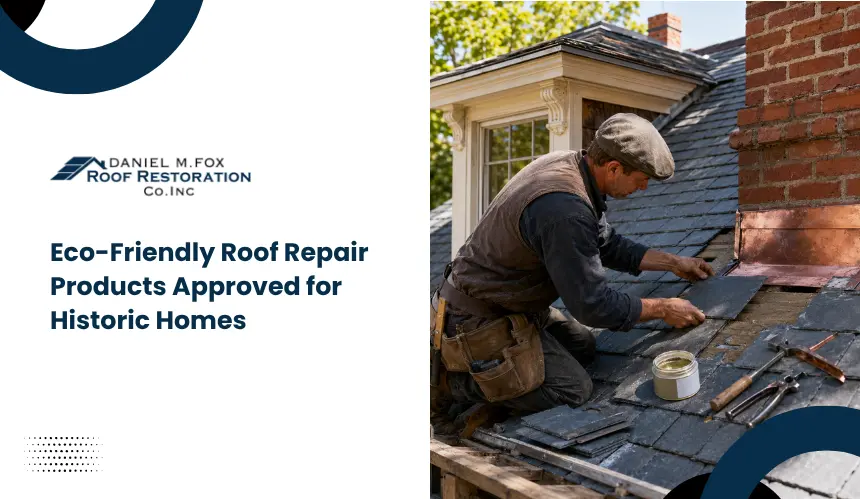
Eco-Friendly Roof Repair Products Approved for Historic Homes
A Quick Answer: The most widely approved eco-friendly roof repair products for historic homes are those that match original roofing materials in appearance, composition, and performance. Preservation authorities, including the National Park Service, consistently favor natural, durable, and historically accurate materials that support both sustainability and architectural integrity. These products are considered eco-friendly because they are long lasting, recyclable, and sourced from natural or low-impact materials that align with conservation standards. |
Many historic districts, including those in Massachusetts, allow natural slate, clay tiles, wood shingles, and traditional metal roofing because they were used on original structures and offer a lifespan that lowers material waste over time. Reclaimed versions of these materials are especially valued since they preserve resources while maintaining the visual authenticity.
This article explores how eco-friendly materials fit within preservation rules, which product types receive the most approvals, and how homeowners can choose solutions that protect both the environment and the historical character of their property.
Understanding the Unique Requirements of Historic Home Roof Repairs
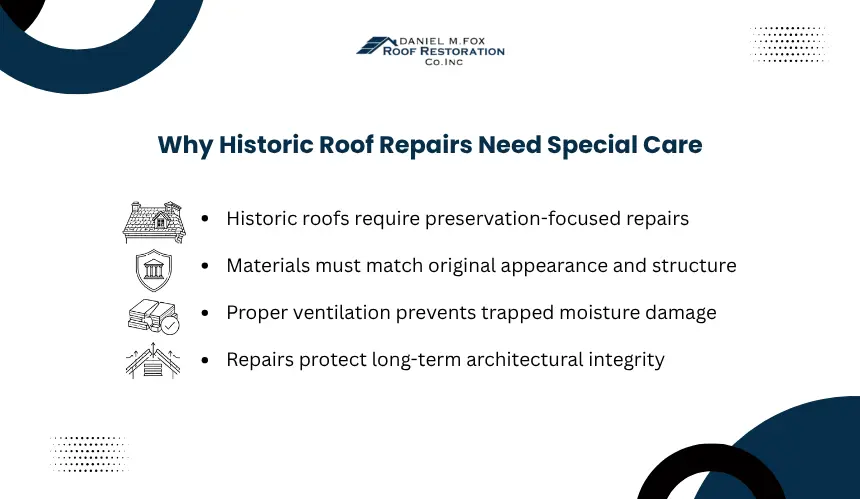
Historic homes require roofing repairs that balance sustainability with strict preservation standards. Approval decisions focus heavily on maintaining original appearance, using compatible materials, and protecting the long-term integrity of the structure. Any eco-friendly product must align with these expectations to qualify for use on regulated properties.
Preservation boards limit material choices because roofs on historic homes were built with specific textures, profiles, and structural systems that cannot be altered without compromising architectural authenticity.
Products must match the original materials visually and physically while supporting the building’s natural ventilation patterns and weathering behavior. This is especially important in older structures where improper repairs can trap moisture or place stress on aging framing.
Eco-Friendly Roofing Products Most Commonly Approved for Historic Properties
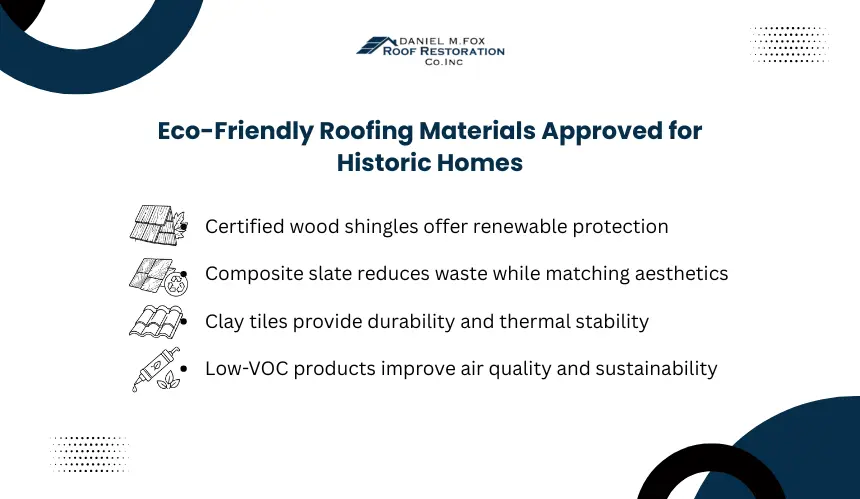
Historic preservation boards allow only a select group of roofing materials that match original construction methods while supporting environmentally responsible repair practices. These products are chosen for their natural composition, long service life, and ability to blend seamlessly with the home’s architectural style.
1. Sustainable Wood Shingles and Shakes from Certified Forest Sources
Historic districts frequently approve wood shingles and shakes when they match the species and profile used on the original structure. Options sourced from responsibly managed forests offer a renewable and low-carbon repair choice.
Western Red Cedar, White Oak, and other traditionally used woods provide natural insulation and weathering properties that align well with older roofs. Certified wood products also meet eco-friendly standards because they come from forests managed to maintain long-term environmental balance.
2. Recycled Slate Alternatives and Lightweight Composite Slate
Recycled and composite slate products can be approved when they accurately reproduce the color, thickness, and texture of traditional slate. These lightweight alternatives reduce waste by incorporating recycled rubber or polymer content while still resembling historic stone tiles.
Some preservation boards prefer reclaimed natural slate, which offers the closest match to original roofing, but high-quality composites are sometimes allowed when structural weight limits or budget considerations make natural stone difficult to use.
3. Lime-Based Mortar, Sealants, and Repointing Products
Clay tiles remain a popular choice for historic roof repair because they are made from abundant natural materials and offer an exceptionally long service life. Preservation authorities often allow both new and reclaimed clay tiles when they match the home’s original color and profile.
Their thermal stability and resistance to weathering make them environmentally strong choices that reduce the frequency of future repairs.
4. Low-VOC Roofing Adhesives and Repair Compounds
Low-VOC adhesives, breathable sealants, and solvent-free repair compounds are widely accepted in historic districts because they protect workers, improve indoor air quality, and limit environmental impact. These products support the home’s natural ventilation patterns and prevent chemical damage to older roofing substrates. Their ability to integrate with traditional materials without altering appearance makes them suitable for preservation-focused repairs.
5. Reflective Roof Coatings Designed for Historic Homes
Reflective roof coatings designed for historic properties are sometimes approved when they use mineral or lime-based formulations that do not change the roof’s appearance. These coatings improve energy efficiency by reducing heat absorption while preserving the roof’s visual profile.
Because many historic districts reject modern reflective films or bright coatings, mineral-based products offer a balanced option that provides environmental benefits without compromising authenticity.
Navigating Historic Preservation Approval for Eco-Friendly Roof Products
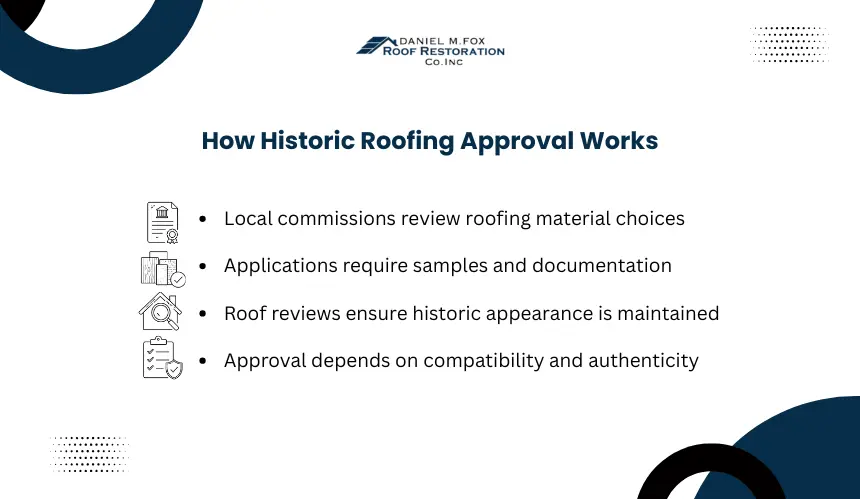
Historic homes follow strict review procedures before any roofing product can be used, even when the material is environmentally safe. Approval depends on how well the product matches the home’s architectural character, its compatibility with traditional construction, and the documentation provided by the homeowner or contractor.
How to Use Local Historic Commission Guidelines Effectively for Historic Roof Preservation Approval
Local preservation guidelines are the starting point for determining which eco-friendly materials may be approved. These documents outline accepted roofing types, required visual standards, and conditions under which alternative products may be considered.
In Massachusetts, many local commissions follow strict interpretation of historic roofing requirements, especially in towns with established heritage districts where visual continuity is closely monitored.
Homeowners who study these guidelines early have a clearer understanding of acceptable textures, colors, installation methods, and material categories. This preparation reduces the risk of submitting products that fall outside the district’s expectations.
Filling Out Material Approval Requests and Documentation
Approval requests often require detailed material specifications, product sheets, comparison photos, and physical samples that demonstrate the proposed product’s similarity to the original roof. Preservation boards rely on these materials to assess authenticity, environmental impact, and structural compatibility.
In Massachusetts communities such as Newton, commissions typically expect clear documentation that proves the material aligns with both historic character and local preservation standards.
Submitting complete documentation allows reviewers to evaluate the product’s suitability without uncertainty, which helps shorten the approval timeline and prevents repeat submissions.
What Happens During a Historic Roof Review or Hearing
Many districts conduct on-site reviews or formal hearings to verify that proposed materials match the home’s existing features. During these evaluations, board members examine the roof’s visibility, architectural style, and condition to ensure that repairs will maintain the historic character.
They may request additional samples or alternative products if the chosen material does not demonstrate enough visual accuracy. Clear explanations of the product’s environmental benefits and long-term performance often strengthen the case for approval.
Eco-Friendly Repair Solutions by Roofing Problem Type
Different roofing issues on historic homes require repair methods that protect original materials while supporting sustainable practices. Eco-friendly solutions must fit the home’s construction style, allow proper moisture movement, and preserve the historic appearance that preservation boards expect. Working with a historic roof repair expert ensures that each repair aligns with both environmental goals and preservation rules.
1. Crack & Leak Repair Using Breathable, Non-Toxic Sealants
Small cracks and early-stage leaks on historic roofs can be treated with breathable, plant-based, or low-chemical sealants that allow moisture to escape while forming a protective barrier.
These non-toxic compounds are gentle on older substrates and prevent the trapped moisture problems that often occur when modern, rigid sealants are applied to historic roofing systems.
Their compatibility with traditional materials makes them a reliable eco-conscious option for subtle repairs that maintain both performance and authenticity.
2. Shingle Replacement Using Reclaimed or Reproduction Materials
When individual shingles deteriorate, reclaimed or reproduction materials offer an eco-friendly way to maintain the roof’s appearance and structure. Reclaimed slate, clay tiles, or wood shingles preserve historical accuracy because they match the aging patterns and textures of original components.
High-quality reproduction shingles can also be used when they replicate the color, thickness, and surface detail required for preservation approval. Both options minimize environmental waste while keeping the roof visually consistent with its original architectural style.
3. Flashing Repair with Recycled Metals or Low-Carbon Options
Historic roof flashing often requires repair because older metal components corrode or loosen over time. Recycled copper, aluminum, and low-carbon metal alternatives provide durable and environmentally conscious choices that align with traditional construction.
These products can be shaped to match historic profiles and offer long-lasting protection around chimneys, valleys, and dormers. Their recyclability and reduced environmental footprint make them suitable for preservation-focused repair work.
4. Insulation Upgrades Using Eco-Safe Hybrid Materials
Upgrading insulation in a historic roof must be done carefully to avoid blocking ventilation paths or trapping moisture within the structure. Eco-safe insulation materials such as cellulose, sheep wool, or cork-based boards provide a sustainable upgrade that remains compatible with older buildings.
These options deliver improved thermal performance while maintaining breathability, allowing the roof to manage seasonal temperature changes without stressing original framing or sheathing. Their natural composition aligns well with preservation principles and environmental goals.
Evaluating Product Sustainability: What Homeowners Should Look For
Sustainable roofing products for historic homes must meet higher standards than conventional materials. Homeowners need to evaluate environmental impact, material composition, lifespan, and preservation compatibility to ensure that the chosen product supports both long-term performance and historic authenticity. Each factor contributes to a more informed and responsible repair decision.
Which Sustainability Certifications Matter for Historic Roof Materials?
The Beacon Hill Architectural Commission (BHAC) is responsible for reviewing all exterior alterations that can be seen from a public way. This includes roof replacements, slate repairs, copper detailing, and changes to structural roof elements. These expectations guide historic roof preservation contractors in Greater Boston toward authentic restoration methods that keep the brownstone consistent with its nineteenth century design.
1. FSC Certification
Confirms that wood products come from responsibly managed forests that prioritize biodiversity, long-term forest health, and ethical harvesting practices. It ensures that wood shingles or shakes are sourced in a way that supports renewable forestry.
Massachusetts preservation boards and contractors routinely accept FSC-certified wood shingles or shakes. FSC is recognized nationally and aligns well with MA sustainability goals and conservation policies.
2. GreenGuard Certification
Identifies materials that meet strict low-emission requirements and release minimal chemical pollutants. These products help maintain better indoor air quality during and after installation, which is especially important when repairing older homes.
GreenGuard applies to low-emission products used anywhere in the U.S., including MA. While local historic commissions do not require it, they accept and often prefer adhesives and sealants with low chemical emissions.
3. Environmental Product Declaration (EPD)
Provides transparent data on a product’s environmental impact, including resource use, manufacturing energy consumption, and greenhouse gas emissions. This documentation helps homeowners evaluate the overall sustainability profile of the roofing material.
EPDs are nationally recognized documents. Massachusetts energy and sustainability programs reference EPDs for evaluating environmentally preferable materials. Historic commissions may not mandate them but accept them as credible verification.
4. Health Product Declaration (HPD)
Details a material’s chemical makeup and potential health impacts. HPDs allow homeowners to choose products with safer ingredients that pose fewer risks to occupants and align with environmentally conscious construction goals.
HPDs are widely used in New England for healthier building material selection. In Massachusetts, these documents support state-level environmental health initiatives and are valid for evaluating roofing materials.
5. Cradle-to-Cradle Certification
Rates products on recyclability, material health, renewable energy use, and waste reduction. This certification highlights materials that support circular economy principles, making them strong candidates for eco-friendly historic roof repair.
Although not required by preservation boards, Cradle-to-Cradle is accepted statewide as a credible sustainability rating. MA sustainability guidelines often highlight circular-economy certifications like this as preferred benchmarks.
Assessing Material Embodied Carbon and Lifecycle Impact for Historic Roof Products
Embodied carbon evaluates the total emissions produced during manufacturing, transportation, and installation. Sustainable roofing materials with lower embodied carbon create a smaller environmental footprint over their lifetime.
Equally important is the material’s durability, since longer-lasting products reduce the need for frequent repairs or replacements. Homeowners benefit from reviewing lifecycle data that highlights recyclability, expected service life, and long-term energy performance to ensure their chosen product aligns with both preservation and sustainability goals.
Checking Visual and Structural Compatibility With Older Historic Roof Systems
Historic roofs rely on materials that match original textures, profiles, and installation patterns. Eco-friendly products must integrate smoothly with existing components to maintain architectural accuracy and structural stability.
Compatibility includes proper weight distribution, correct fastening methods, and natural weathering behavior that does not stand out from surrounding materials.
Careful assessment ensures the new product performs as expected without disrupting the home’s visual character or creating issues with ventilation or moisture movement.
How Do Traditional and Eco-Friendly Materials Differ in Durability on Historic Roofs?
Durability varies significantly between natural historic materials and modern eco-friendly alternatives. Natural slate, clay tile, and traditional metals typically offer century-level longevity when properly maintained, which is why preservation boards favor them.
Eco-friendly composites and recycled-content products can also perform well, but their lifespan depends on specific formulations and manufacturers. Comparing expected service life helps homeowners select options that balance sustainability with long-term resilience.
Cost Differences Between Traditional and Eco-Friendly Historic Roofing Options
Traditional materials often carry a higher upfront price due to their weight, craftsmanship, and authenticity requirements. Eco-friendly alternatives such as composite slate or recycled metal may offer lower material or installation costs, depending on the roof’s condition and structural limits.
Evaluating long-term maintenance expenses, replacement frequency, and potential waste reduction helps determine whether an eco-focused choice offers better overall value for a historic property.
How Do Traditional and Eco-Friendly Options Compare Environmentally on Historic Roofs?
Environmental performance depends on how materials are produced, transported, used, and retired. Traditional materials like slate and clay have naturally low environmental impact due to minimal processing and long lifespan.
Eco-friendly alternatives may reduce waste through recycled content or lower emissions during manufacturing. Reviewing embodied carbon, recyclability, and overall lifecycle impact helps homeowners identify which product delivers the strongest environmental benefits while still meeting preservation expectations.
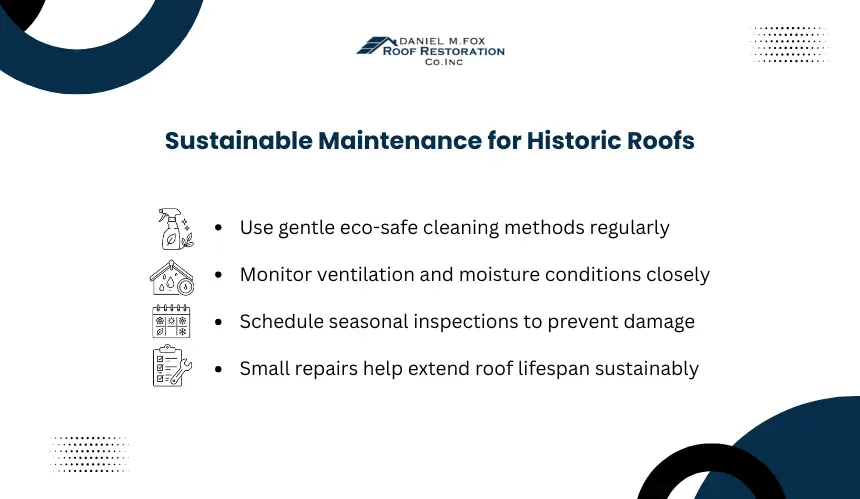
Long-Term Maintenance Practices to Extend Roof Life Sustainably
Historic roofs respond best to maintenance routines that protect original materials while supporting long-term environmental performance. Eco-friendly care strategies help reduce unnecessary repairs, prevent deterioration, and preserve the architectural character that defines older homes.
Consistent attention ensures that both sustainability goals and preservation standards are met over the life of the roof.
1. Eco-Safe Cleaning Methods for Historic Roofs
Gentle, environmentally conscious cleaning practices protect historic roofing materials from chemical damage and abrasive wear. These methods also help maintain the natural appearance of slate, wood, clay, and metal surfaces.
- Use biodegradable cleaning solutions that remove dirt and organic buildup without harming surrounding landscaping or leaching harsh chemicals into drainage systems.
- Rely on low-pressure rinsing to prevent breakage or displacement of older shingles, tiles, or flashing components.
- Apply moss and algae treatments made from natural compounds to slow regrowth while supporting long-term material preservation.
2. How to Monitor for Moisture, Ventilation, and Seasonal Damage
Regular monitoring keeps historic roofs functioning safely and prevents hidden issues from growing into costly problems. Eco-friendly approaches focus on protecting the roof’s original components while maintaining natural airflow.
- Check attic ventilation pathways to ensure warm air and moisture are escaping properly, which helps reduce decay in older wood framing.
- Inspect flashings, valleys, and ridge lines after storms to catch subtle movement or early corrosion that might allow moisture intrusion.
- Monitor interior ceilings and wall surfaces for changes in staining, humidity, or odor that signal slow leaks or trapped moisture.
3. Creating a Preservation-Friendly Maintenance Schedule
A thoughtful maintenance plan keeps historic roofs in stable condition year-round and reduces the need for large repairs or replacement materials.
- Schedule seasonal roof inspections to identify early wear from temperature shifts, snow loads, or heavy rainfall.
- Document material conditions during every inspection, noting changes in color, surface texture, or alignment that may indicate evolving issues.
- Plan minor repairs at consistent intervals to address small problems before they compromise the historical integrity of the roof.
If you want expert guidance choosing eco-friendly materials that meet historic preservation standards, Daniel Fox Roofing Inc. can help. Our team specializes in historic roof repair and installation, offering solutions that protect your home’s architectural character while supporting long-term sustainability.
Frequently Asked Questions
Can eco-friendly roof repairs help improve energy efficiency in historic homes?
Yes, certain eco-friendly repair options can improve energy efficiency without altering the home’s architectural character. Mineral-based reflective coatings, natural insulation materials, and sustainably produced metal components can reduce heat gain or loss while maintaining compatibility with preservation standards.
Are there eco-friendly underlayment options that work with historic roofing materials?
Some historic homes can use breathable, recycled-fiber or cork-based underlayment products that support moisture movement and temperature regulation. These materials offer sustainability benefits while maintaining the ventilation patterns required for older roof systems, making them suitable for carefully planned preservation projects.
Can homeowners use recycled metal roofing components on historic structures?
Recycled metal components such as copper, tin, or aluminum may be approved when they match the original roof’s visual profile. These materials provide durability and environmental benefits, but final approval depends on the specific district’s preservation requirements and the visibility of the roof from public streets.
Do eco-friendly roofing products require special maintenance compared to traditional materials?
Most eco-friendly products used on historic homes follow the same maintenance schedules as traditional materials. The main difference is the use of gentler cleaning methods and periodic monitoring to ensure that sustainable compounds, such as plant-based sealants, continue performing as intended over time.